

What Happens During a Memorial Visit?

When someone asks what happens during a memorial visit, they are often asking something deeper too. They want to know whether their loved one will be treated with dignity, whether the moment will feel personal, and whether absence can still hold meaning.
A memorial visit is, at its heart, a quiet act of presence. It may be simple, but it is never casual. Whether the visit is arranged by a family member who lives far away, a friend who cannot travel, or an employer wishing to honor a colleague, the purpose is the same - to show that a life is remembered and that someone still cares enough to come.
What happens during a memorial visit in practical terms
Most memorial visits begin before anyone arrives at the gravesite or memorial location. There is usually a plan in place based on the wishes of the person arranging the visit. That may include the date, the cemetery or memorial site, the name of the person being honored, and any personal details that should shape the visit, such as a favorite flower, a prayer request, or a message to be read aloud.
That preparation matters because memorial visits are not one-size-fits-all. Some families want a brief and quiet tribute. Others want something that feels more ceremonial and faith-centered. Some want spoken words. Others prefer a peaceful moment with flowers placed carefully and respectfully. The right approach depends on the person being remembered and the people who love them.
When the visitor arrives, the first step is usually to locate the correct gravesite or memorial marker and take a moment to settle into the space. This is not rushed. A respectful visit allows for a pause before anything is said or done. Even that small moment can carry weight. It signals that this is not an errand. It is a remembrance.
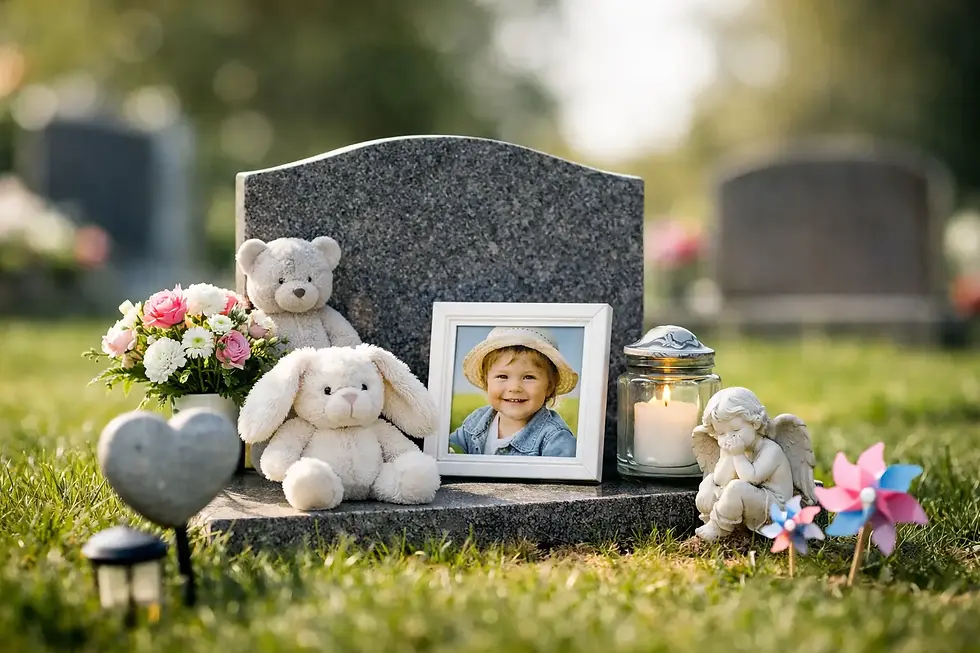
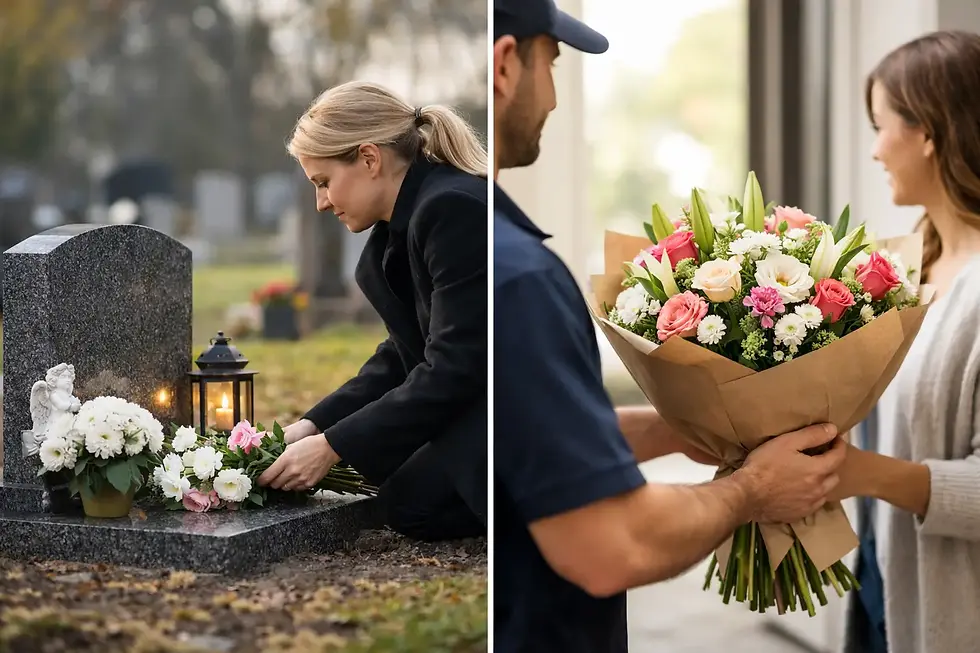
Flowers are often part of the visit, especially if they were requested in advance. They may be placed at the gravesite, beside the marker, or in a way that follows cemetery guidelines. Fresh flowers are a familiar symbol because they express care without needing many words. For some families, this is the most meaningful part of the visit. It creates a visible sign that someone came, stood there, and honored the person who is gone.
If prayer is requested, it is usually offered gently and with reverence. In some visits, the prayer is traditional. In others, it is more personal and tied to the family's faith or the life of the loved one being remembered. Prayer can bring comfort because it gives shape to grief. It also reminds many people that remembrance is not only about loss. It is about love continuing in a different way.
A personalized message may also be read aloud. This is often one of the most moving parts of the visit. The message may come from a spouse, child, parent, sibling, friend, or colleague. It may be short and simple, such as "We miss you and think of you every day," or it may be more detailed, sharing family updates, gratitude, or words left unsaid. Spoken at the site itself, those words can feel grounding. They create a direct moment of connection, even when the person who wrote them cannot be there in person.
The emotional purpose behind the visit
People sometimes wonder whether a memorial visit still matters if the family cannot attend. In truth, that is often when it matters most. Grief can be made heavier by distance, illness, work demands, family strain, or the simple fact that life does not always allow us to go where our hearts want to go. A memorial visit helps bridge that gap.
It does not replace being there yourself. That is an important distinction. If someone is longing to stand at the gravesite, no service can fully remove that ache. But a thoughtful memorial visit can offer something real. It can bring relief, comfort, and a sense that remembrance did not go neglected.
For many people, the hardest part is not only missing the visit. It is fearing that their loved one will be forgotten because they could not show up. A dignified visit answers that fear with action. Someone came. Someone paused. Someone honored their name.
That is why these visits are often arranged on meaningful dates. An anniversary of passing, a birthday, a holiday, Mother's Day, Father's Day, Veterans Day, or a difficult season of grief can all be reasons to schedule a visit. The timing gives shape to memory. It says, "This day still matters, and so does this person."
What happens during a memorial visit for different needs
Not every memorial visit looks the same, and that is a good thing. A visit for an elderly parent being remembered by an adult child may feel different from a corporate memorial presence arranged by an employer. The setting, wording, and tone may change, but the core values should not - respect, care, and dignity.
For families, the visit is often deeply personal. There may be flowers in a favorite color, a Scripture reading, a spoken message from grandchildren, or a quiet prayer of peace. Sometimes the most meaningful visits are the simplest ones. A few words spoken with sincerity can hold more comfort than a lengthy ceremony.
For urgent situations, the emotional need can be especially tender. A family may have just learned of a passing but cannot travel immediately. In that case, a prompt memorial presence can mean a great deal. It provides an early act of honor during a time that often feels disorienting and unreal.
For businesses, the intention is usually to acknowledge the life and contribution of a colleague or employee with care. This kind of visit should be handled with the same sincerity as a family tribute. The tone may be somewhat more formal, but it should still feel human. A respectful floral placement and a message of gratitude or remembrance can communicate that the person's life mattered not only at work, but in the hearts of those who knew them.
What families often want to know beforehand
Many people arranging a visit want reassurance about the details, and that is understandable. They may ask how long the visit lasts, what is included, whether a prayer can be said, or if a custom message can be read. They may also want confirmation that the correct gravesite will be visited and that the visit will be carried out with care.
These are not small questions. They reflect trust. When someone cannot go in person, they are placing a tender responsibility in someone else's hands.
A good memorial visit is thoughtful without becoming performative. It should feel sincere, not scripted. At the same time, some structure is helpful because it ensures nothing important is overlooked. In many cases, the visit includes arrival at the site, a quiet pause, flower placement, prayer or reflection if requested, the reading of a personal message, and a final moment of respect before leaving.
Some people also find comfort in receiving confirmation afterward, such as a note that the visit was completed or a photo of the flowers at the site, if that is part of the arrangement. For those at a distance, this can make the remembrance feel more immediate and real.
In Central Florida, where many families are spread across states or caring for loved ones from afar, this kind of support can be especially meaningful. Services like Everlasting Visits exist for that reason - to stand in with tenderness when someone cannot be physically present.
Why memorial visits continue to matter
A memorial visit does not change the reality of loss. It does something quieter than that. It makes room for love to be expressed in a visible, reverent way.
That matters because grief is not only emotional. It is also relational. People need ways to continue showing care, especially after the funeral has passed and daily life expects them to move forward before they are ready. A gravesite visit, a prayer, a flower arrangement, or a message spoken aloud can become a small but steady form of faithfulness.
For some, the visit brings peace. For others, it brings tears. Often it brings both. There is no single right response. The value of the visit is not that it creates a perfect feeling. It is that it honors a real bond.
If you are considering arranging one, it helps to think less about making it elaborate and more about making it true. What would reflect your loved one well? What words would you want spoken if you were standing there yourself? What gesture would feel sincere and comforting to you?
Those are the questions that shape a meaningful memorial visit. And when they are answered with care, even a brief moment at a gravesite can carry lasting comfort - a reminder that love still shows up, even when distance makes the journey hard.

Comments