

Long Distance Grave Visitation With Care

There are dates that do not pass quietly - a birthday, an anniversary, a military holiday, a parent’s favorite season, the first year without them. When you live far away, long distance grave visitation can ease the ache of not being able to stand there yourself. It does not remove grief, but it can give that grief a place to go.
For many families, the hardest part is not a lack of love. It is distance, health, work, weather, caregiving responsibilities, or simply not being able to make the trip on short notice. The heart is willing, but the body cannot get there. In those moments, a thoughtful gravesite visit done on your behalf can become a meaningful act of remembrance rather than a compromise.
What long distance grave visitation really means
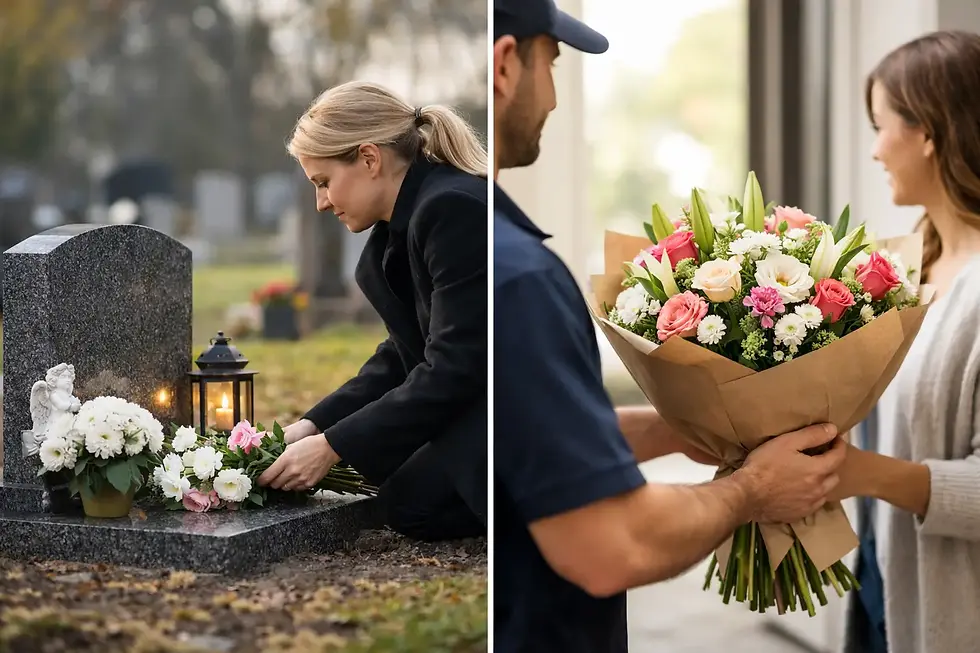
Long distance grave visitation is the practice of arranging for a trusted person to visit a loved one’s gravesite when you cannot attend in person. That visit may be simple and quiet, or it may include flowers, a spoken message, prayer, a moment of silence, or a small ceremonial tribute.
What matters most is not performance. It is presence. A respectful visit says, in a visible and tangible way, this person is remembered, loved, and not forgotten. For families who feel helpless because they are far from the cemetery, that can be deeply comforting.
This is especially true when the visit reflects the person being honored. Some families want a short prayer and fresh flowers. Others prefer a handwritten note read aloud, a favorite poem, or a few words from a grandchild who could not travel. The right approach depends on the family, the faith tradition, and the moment.
Why long distance grave visitation matters
Grief is often tied to ritual. Visiting a gravesite is not only about seeing a stone or placing flowers. It is about showing up. It is about keeping a promise. It is about marking time in a world that keeps moving after loss.
When that ritual is interrupted by distance, people can carry a quiet guilt. They may wonder if they are letting someone down, or if missing a visit means the bond is fading. In reality, love is not measured by mileage. Still, many people need a way to express remembrance outwardly, not just privately.
That is where a proxy visit can help. It gives form to memory. It allows a spouse in another state, an adult child with a demanding job, or a sibling recovering from illness to take part in an act of care. The emotional value is often greater than people expect because the visit turns intention into action.
For some, faith is part of that comfort. A prayer spoken at the gravesite, even by someone standing in your place, can feel like a sacred extension of your own heart. For others, the comfort comes from knowing the site was tended with dignity and kindness. Both responses are valid.
When a gravesite visit from afar is especially helpful
Some moments carry more weight than others. The anniversary of a death can stir emotions even years later. Holidays can feel tender, especially for families used to gathering. Mother’s Day, Father’s Day, Veterans Day, Christmas, and birthdays often bring a strong desire to visit.
There are also urgent situations. A family member may pass unexpectedly, and relatives across the country cannot arrive in time. An employer may want to honor a colleague respectfully when leadership cannot attend. A son or daughter may learn that a parent’s grave has not been visited in some time and want to respond right away.
In each of these situations, timing matters, but so does sensitivity. The visit should feel personal, not transactional. A rushed gesture can feel thin. A carefully arranged one, even if modest, can bring genuine peace.
What makes a meaningful visit
A meaningful gravesite visit is usually simple. It does not need elaborate gestures to be sincere. Fresh flowers placed neatly, a brief pause for reflection, the reading of a name, and a spoken message can be enough. If the family requests prayer, that should be offered gently and respectfully.
Details matter. Saying the person’s full name. Visiting on the requested date if possible. Choosing flowers that fit the season or the family’s wishes. Reading a message slowly and clearly rather than hurrying through it. These are small things, but in grief, small things carry weight.
It also helps when the service is clear about what will happen. Families already carry enough emotional strain. They should not have to guess whether the visit will be handled with dignity. Transparent expectations, respectful communication, and dependable follow-through are part of the care itself.
Choosing a long distance grave visitation service
If you are considering this kind of support, trust matters more than anything else. You are asking someone to step into a tender place in your life. That should never feel casual.
Look for a service that understands ceremony, not just logistics. There is a difference between dropping off flowers and truly honoring a life. If prayer is important to you, make sure that is offered in a way that aligns with your wishes. If you want a personalized message read aloud, ask whether that is part of the visit rather than an afterthought.
It is also wise to consider location. A local service will usually know the cemeteries in the area, understand visitation expectations, and be better positioned to respond quickly. For families with loved ones buried in Orlando or Central Florida, that local familiarity can make the process smoother and more reassuring.
Pricing should be straightforward. In a sensitive service like this, ambiguity creates stress. Clear package options, honest descriptions, and a respectful process help families make decisions without feeling pressured.
For families, this is often about peace
Many people who arrange a gravesite visit from afar are carrying more than travel limitations. They are carrying regret, grief, family tension, exhaustion, or the ache of being the one who moved away. Sometimes the visit is less about checking a box and more about being able to breathe again.
There is comfort in knowing someone stood there, said the words, placed the flowers, and gave the moment the dignity it deserved. That comfort does not replace an in-person visit when one becomes possible. But it can hold the space until then.
For some families, a single visit is enough for a particular date. For others, regular visits become part of ongoing remembrance. Neither choice is more loving. It depends on your needs, your traditions, and what feels faithful to your relationship with the person you miss.
Long distance grave visitation for employers and organizations
This kind of memorial presence can also matter in the workplace. When an employee passes away, companies often want to respond with compassion but may not be able to send leadership or colleagues to a gravesite, especially when schedules, travel, and geography stand in the way.
A respectful in-person visit on behalf of the organization can communicate something meaningful to the family: your loved one mattered here. It should be done carefully, with appropriate tone and without becoming performative. A floral tribute, a brief message of condolence, or a simple presence can honor the person while reflecting well on the company’s values.
The trade-off is that corporate gestures must be especially thoughtful. Too formal, and they can feel distant. Too generic, and they may feel empty. The most meaningful memorial presence is specific, restrained, and sincere.
A gentle way to stand in your place
At its best, this service is not about replacing you. It is about representing you with care when life makes personal attendance impossible. That distinction matters. A gravesite visit done on your behalf should feel like an extension of your love, your respect, and your remembrance.
That is why a service such as Everlasting Visits can mean so much to people who cannot be physically present. The care is not only in arriving at the site. It is in understanding that every flower placed, every prayer spoken, and every name read aloud belongs to a real person who is deeply missed.
If you are carrying the sorrow of being far away, please know this: absence does not erase devotion. Love still reaches. Sometimes it reaches through a spoken message, a quiet prayer, and a respectful presence at the graveside until the day you can go yourself.


Comments