

What a Graveside Message Reading Service Does

Some absences hurt more because they cannot be helped. You may want to stand at a loved one’s gravesite, speak their name, place flowers, and read what is in your heart, yet distance, illness, work, or family demands make that impossible. A graveside message reading service exists for that very moment - to carry your words, your care, and your remembrance to the place where you wish you could be.
This is not simply an errand, and families usually know the difference right away. When someone visits a gravesite on your behalf, the value is not in the act of showing up alone. It is in how that visit is handled - the tone of voice, the respect shown at the site, the care taken with flowers, the pause before a prayer, and the willingness to read your message as something sacred rather than routine.
Why a graveside message reading service matters
Grief does not always wait for ideal timing. Anniversaries come during busy seasons. Birthdays arrive while loved ones are recovering from surgery, caring for children, or working jobs that do not allow sudden travel. Some people are separated from Central Florida by a few counties. Others are separated by states, oceans, or physical limitations that make a cemetery visit too difficult.
Even when the reason is practical, the emotional weight can be heavy. Many people carry guilt when they cannot visit in person. They worry that absence will feel like neglect, even when love has never left. A graveside message reading service helps answer that pain with something tangible. Your loved one is still honored. Your words are still spoken aloud. A moment of remembrance still takes place with dignity.
That matters because remembrance is often physical. It is not only something we feel privately. We bring flowers. We stand still. We pray. We say what we wish we had said before. Having a trusted person carry out that act on your behalf can offer real comfort, especially when the visit is done with ceremonial care rather than simple convenience.
What happens during a graveside message reading service
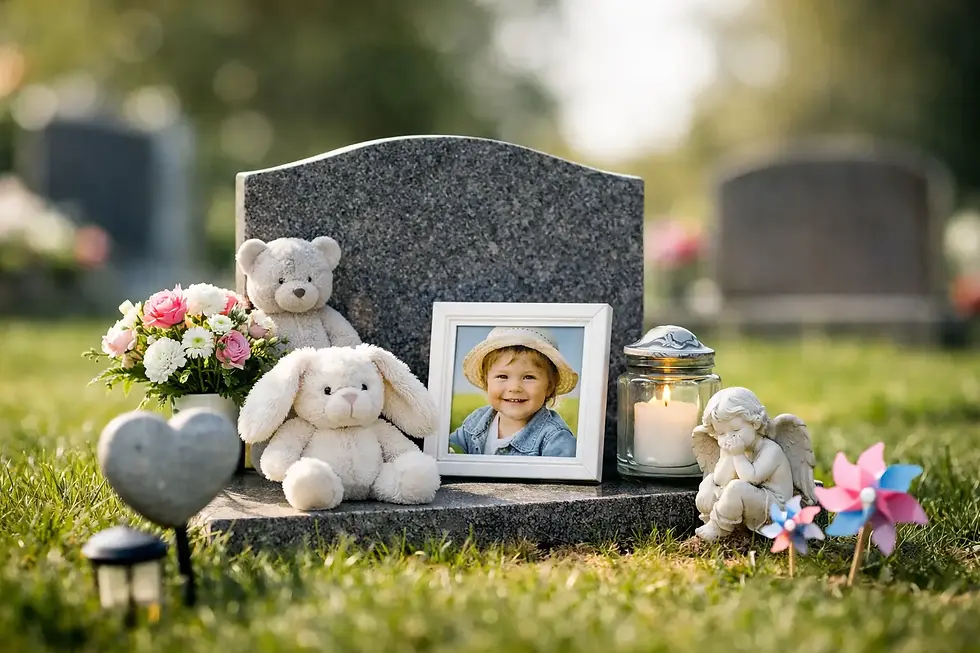
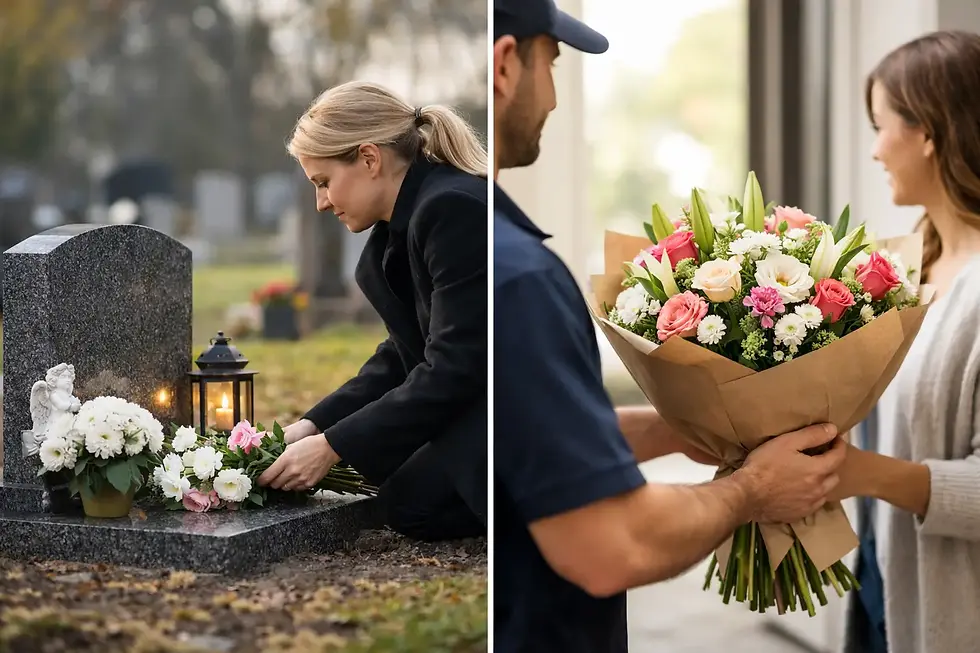
At its heart, the service is straightforward. A representative visits the gravesite, confirms the location, and conducts a respectful remembrance on your behalf. That may include placing flowers, speaking your personalized message aloud, observing a quiet moment, and offering prayer if requested.
The details matter more than people sometimes realize. Reading a message at a graveside is not the same as reading words in any other setting. The pacing should be gentle. Names should be spoken correctly. If the message includes faith, family memories, apology, gratitude, or farewell, those moments should be handled with sensitivity. There is a difference between reciting words and bearing them with care.
Some families want a brief and simple reading. Others want a fuller memorial visit with flowers, prayer, and a more intentional pause for reflection. Neither is more loving than the other. It depends on what feels right for your relationship, your beliefs, and the occasion. A birthday remembrance may call for warmth and memory. A recent loss may call for solemnity and prayer. An anniversary may call for quiet, steady presence.
When families usually seek this kind of service
The need often arises in deeply ordinary situations. An adult child lives across the country and cannot return to Orlando as often as they promised themselves they would. A spouse is no longer physically able to walk the cemetery grounds. A sibling wants to mark a parent’s birthday but cannot leave work or afford last-minute travel. A military family may be stationed elsewhere. A grandchild may want to send words of love without waiting another year.
There are also more delicate situations. Some people cannot attend because grief itself has become overwhelming. Others are estranged from parts of the family and want to honor the deceased privately and respectfully. In those moments, a proxy memorial visit can provide a gentler path. It allows remembrance to happen without requiring the person to navigate a painful setting alone.
For businesses, the need can look different but still carry real meaning. An employer may want to honor a colleague laid to rest in Central Florida when leadership or team members cannot attend. A graveside visit with a spoken tribute can express respect on behalf of the workplace in a way that feels more personal than sending flowers alone.
Choosing a graveside message reading service with care
Not every provider approaches this work with the same sensitivity. That is worth saying plainly. Families should look for more than scheduling availability. They should look for signs of reverence, clarity, and emotional understanding.
The first thing to consider is whether the service treats the visit as ceremonial rather than transactional. Clear communication matters, but so does tone. If a provider speaks about memorial visits with warmth and dignity, that often tells you something about how they will stand at the gravesite when your message is being read.
The second consideration is personalization. Your message should not feel squeezed into a generic script. A good service makes room for your exact words, your faith tradition if desired, and the kind of remembrance that matches the person being honored. Some families want a prayer included. Some want a simple reading with a few moments of silence. Some want flowers placed first, then the message read aloud. It depends on what brings comfort.
The third is transparency. During grief, people should not have to guess what is included. It helps to know whether flowers, prayer, photos, or same-day options are part of the package. Practical clarity can be deeply comforting when emotions are already heavy.
Writing a message to be read at the graveside
Many people hesitate here because they think the message has to be perfect. It does not. It only needs to be true.
The strongest graveside messages are often simple. You might say that you miss them, that you are thinking of them on a birthday or anniversary, that the family is holding together, that the grandchildren still speak their name, or that you are grateful for the love they gave. If faith is part of your relationship, a prayer, a verse, or a brief word of hope can be especially meaningful.
If you are not sure where to begin, write as if you were standing there yourself. Use their name. Say what day it is and why you are remembering them today. Share one memory if it feels natural. Then close with love, gratitude, prayer, or a promise to remember. That is enough.
Short messages can be powerful. Longer messages can also be right, especially after a recent loss or on a significant anniversary. The better question is not how long it should be, but whether it sounds like you.
The role of prayer, ritual, and presence
For many families, remembrance is inseparable from faith. A prayer at the graveside can bring peace, structure, and a sense of spiritual companionship. It can also help when your own emotions feel too full for many words. Prayer gives shape to grief without forcing it.
Still, this is personal territory. Some families want explicitly Christian prayer. Some prefer a quiet blessing. Others want the focus to remain on a spoken message and a moment of silence. A thoughtful service should honor those differences without making the experience feel less sincere.
What matters most is that the visit reflects the life being remembered and the heart of the person requesting it. Presence is not measured only by who physically arrived. Presence can also be expressed through intention, reverence, and loving attention. That is why this kind of service can mean so much when done well.
In Central Florida, where many families have roots but no longer live nearby, that kind of support can be especially meaningful. Everlasting Visits serves this need with a tender, structured approach that helps families honor loved ones with flowers, prayer, and a personalized message spoken at the gravesite when they cannot be there themselves.
A graveside message reading service is more than a reading
At first glance, the service may sound modest. Someone visits. Someone reads. Flowers may be placed. A prayer may be said. Yet for many people, the emotional result is far greater than the steps themselves.
It offers a way to keep a promise of remembrance. It gives shape to love that still needs somewhere to go. It can ease the ache of distance without pretending distance does not matter. And it allows a family member, a friend, or a colleague to be honored in a setting that asks for gentleness.
If you cannot stand at the graveside yourself, that does not mean your words have to remain unsaid. Sometimes comfort begins with knowing they were spoken there, with care, exactly where your heart wanted them to be.

Comments