

Memorial Service Flower Etiquette Made Simple

When grief arrives, even small decisions can feel heavy. Memorial service flower etiquette matters because flowers are more than a gesture - they often speak when words feel too difficult, too brief, or simply not enough.
Choosing the right arrangement is not about getting every detail perfect. It is about showing respect for the person who has passed, care for the family who is mourning, and sensitivity to the setting, faith tradition, and moment. A simple bouquet offered thoughtfully is often far more meaningful than an elaborate display chosen without context.
What memorial service flower etiquette really means
At its heart, memorial service flower etiquette is about matching your expression of sympathy to the family's wishes and the tone of the service. Flowers can bring comfort, beauty, and a sense of honor, but there are times when they may not be the right choice, or when a certain type of arrangement fits better than another.
This is why the obituary, service notice, or family message matters so much. If the family has requested donations in lieu of flowers, that request should be respected. It does not mean flowers are unwelcome in every case, but it usually means the family is guiding loved ones toward another form of remembrance that feels more fitting to them.
If no preference is mentioned, sending flowers is generally appropriate. The key is to choose something that feels sincere rather than showy. In moments of loss, thoughtfulness is remembered more than size.
Which flowers are appropriate for a memorial service?
There is no single correct flower for every memorial. White lilies remain a traditional choice because they are associated with peace and purity. Roses, carnations, chrysanthemums, orchids, and hydrangeas are also commonly used in sympathy arrangements. Soft colors such as white, cream, blush, lavender, and pale blue often feel especially suitable.
Still, tradition is only one part of the decision. Sometimes the most appropriate flowers are the ones that reflect the person being remembered. If your aunt loved yellow roses, or your friend always kept sunflowers on the kitchen table, a warmer and more personal choice may feel deeply right. Etiquette allows room for personal meaning, especially when it is rooted in love rather than novelty.
The relationship you had with the deceased can guide the arrangement as well. Immediate family members often send standing sprays, casket sprays, or wreaths. Friends, coworkers, neighbors, and extended family more often send vase arrangements, baskets, or sympathy bouquets. For graveside remembrance after the service, a modest arrangement can be especially fitting.
Religious and cultural considerations
Faith and cultural customs shape flower choices more than many people realize. In some Christian services, flowers are a natural and comforting part of the ceremony. In some Jewish traditions, flowers are not customary at funerals, and food baskets or charitable gifts may be preferred. Some families may want very traditional colors, while others welcome arrangements that reflect the loved one's personality.
If you know the family's faith background, let that inform your decision. If you do not know, choosing a restrained, elegant arrangement is usually the safest path. A florist familiar with memorial work can often help, but even without expert guidance, simplicity and respect go a long way.
Where should memorial flowers be sent?
This is one of the most common points of uncertainty. Flowers may be sent to the funeral home, the church, the memorial service venue, or the family's home. The right destination depends on timing and purpose.
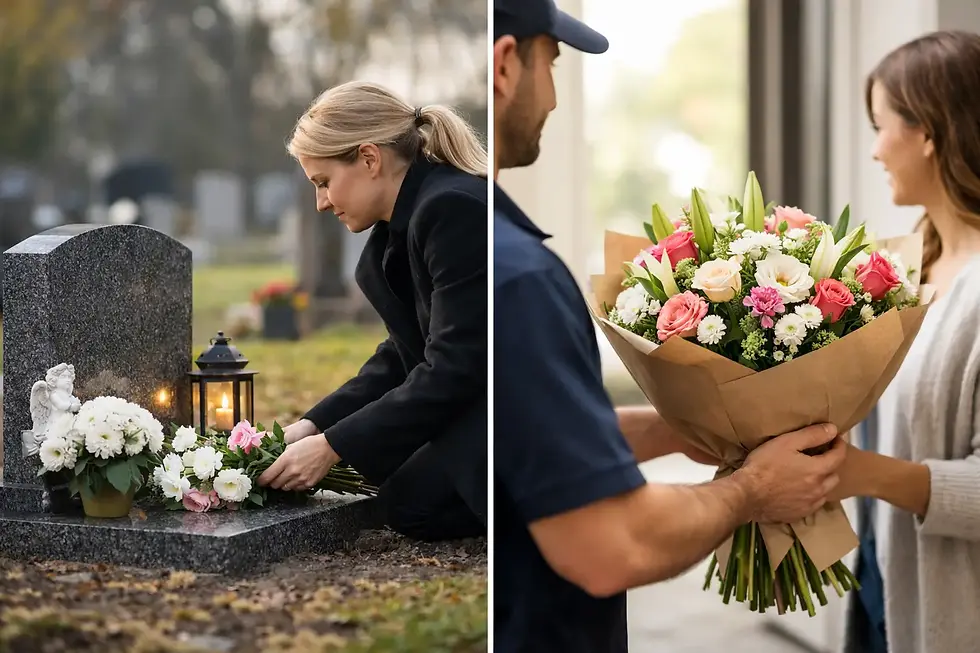
If the flowers are meant to be present during the service, they should usually go directly to the funeral home or venue well before the ceremony begins. If the service has already passed, or if you want to comfort the family in a quieter way, sending flowers to the home can be more personal and less logistical.
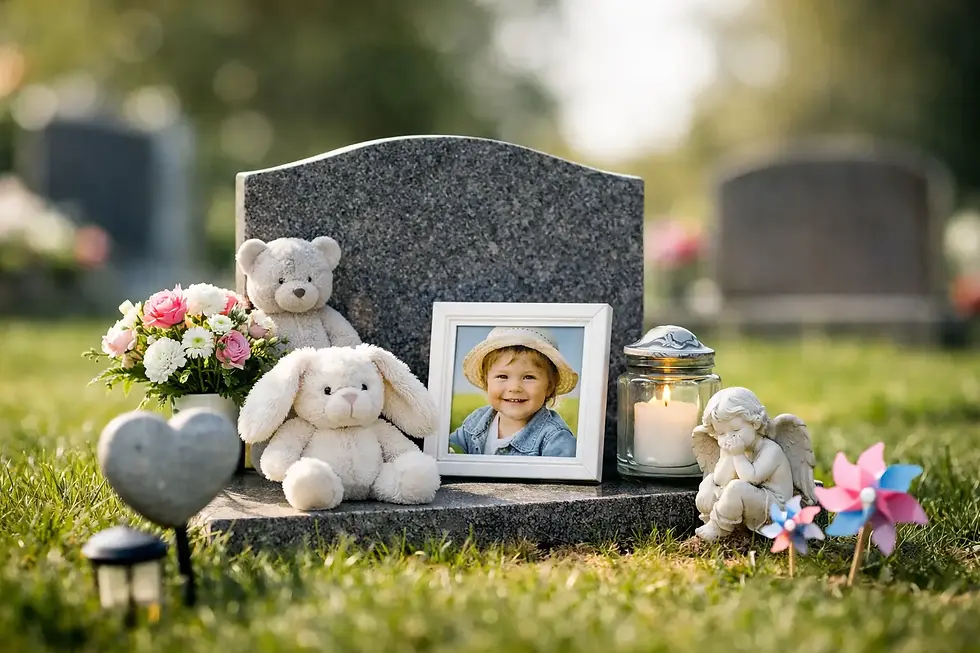
For a gravesite visit that takes place after the public service, a small arrangement placed with care can be especially meaningful. This is often true for loved ones who live far away and want their presence felt even when they cannot be there in person. In those moments, flowers become part of the visit itself - a visible act of remembrance.
Timing matters more than most people think
The best time to send flowers depends on what you are trying to communicate. Before or on the day of the memorial service is appropriate if you want your arrangement to be part of the ceremony. In the week or two after services, flowers sent to the home can offer comfort during the quieter days when support often begins to fade.
There is also grace in remembering later. Birthdays, anniversaries of passing, Mother's Day, Father's Day, and holidays can be tender times. Sending flowers to a gravesite or arranging a remembrance visit months after the funeral is not too late. For many families, those later acts of care feel especially meaningful because they show the loved one has not been forgotten.
What should the card say?
A sympathy card attached to flowers does not need to be long. In fact, shorter is often better. A few honest words can carry great weight.
Write clearly and simply. Share your sympathy, name the person if you can, and sign in a way the family will recognize right away. Phrases such as "With deepest sympathy," "Holding your family in prayer," or "In loving memory of Michael" are gentle and appropriate. If faith is central to the family, a brief spiritual message may bring comfort. If you are unsure, keep the wording warm and understated.
Avoid trying to explain loss or ease pain with clichés. The purpose of the note is not to solve grief. It is to stand beside it.
When flowers may not be the best choice
There are times when flowers are not the best expression of sympathy. Some families have allergies, travel burdens, space limitations, or clear wishes for charitable giving instead. Others may be planning a very private service where floral deliveries create stress rather than comfort.
In those cases, respect is the highest form of etiquette. A memorial donation, a Mass card, a handwritten note, or a later gravesite tribute may be more appropriate. If you cannot attend in person, arranging a dignified remembrance on your behalf can also honor the occasion beautifully. For families connected to Central Florida, services like Everlasting Visits can help turn distance into a respectful act of presence.
Workplace and corporate flower etiquette
For employers and colleagues, the line between thoughtful and overly personal can feel unclear. A group arrangement sent on behalf of a team is often the most appropriate choice. It expresses care while keeping the tribute professional and unified.
The message should be sincere and modest. It is usually best to avoid humor, overly casual wording, or anything that centers the company more than the person being remembered. If the deceased had a close relationship with coworkers, a coordinated sympathy arrangement or memorial presence can be a meaningful way to honor that bond.
Common mistakes to avoid
Most mistakes happen when people act too quickly or assume all memorials follow the same customs. Sending a very large arrangement when the family asked for donations can feel out of step. Choosing bright celebratory colors for a solemn traditional service may feel jarring, even if well intended. Having flowers arrive late, unsigned, or at the wrong location can create avoidable stress.
Another common misstep is treating etiquette like a hard rulebook instead of a guide. The goal is not perfection. The goal is care. If your choice is led by humility, attention, and genuine sympathy, you are already close to what matters most.
A gentle way to decide
If you are unsure what to send, ask yourself three simple questions. What has the family requested? What fits the tone of the service? What would feel like an honest expression of your relationship with the person who has passed?
Those questions usually lead to the right answer. A classic white arrangement may be best. A smaller personal bouquet may be more fitting. In some cases, no flowers at all may be the most respectful choice. Memorial service flower etiquette is not about impressing anyone. It is about honoring a life with tenderness, and supporting the living with quiet grace.
If you are carrying love from a distance, let your gesture be simple, sincere, and full of care. That is the kind of remembrance people feel long after the flowers have been placed.

Comments