

Flower Arrangements for Memorial Service

When you cannot be there in person, the flowers you choose often become part of what speaks for you. Flower arrangements for memorial service carry more than color and fragrance - they carry memory, respect, prayer, and love. In moments of grief, that quiet message matters.
The right arrangement does not need to be elaborate to feel meaningful. It needs to feel fitting. For some families, that means a simple white bouquet placed with reverence. For others, it means a standing spray that reflects a life of warmth, faith, or military service. The most comforting choices are usually the ones that feel personal rather than performative.
Choosing flower arrangements for memorial service with care
Memorial flowers serve two purposes at once. They honor the person who has passed, and they comfort the people who remain. That is why the best choice is rarely about what looks most impressive. It is about what feels sincere.
White flowers are often chosen for peace, purity, and reverence. Lilies, roses, carnations, orchids, and chrysanthemums are common because they carry a gentle presence without feeling overly decorative. Soft pinks can express gratitude and affection. Light blues and lavenders can bring a quiet sense of calm. Red may be appropriate when the relationship calls for a stronger expression of love, devotion, or honor.
Still, color symbolism is not a rulebook. Some families find comfort in bright sunflowers because their loved one was joyful. Others prefer their loved one’s favorite flower, even if it is less traditional. That personal connection can mean more than any standard memorial palette.
What different arrangements can say
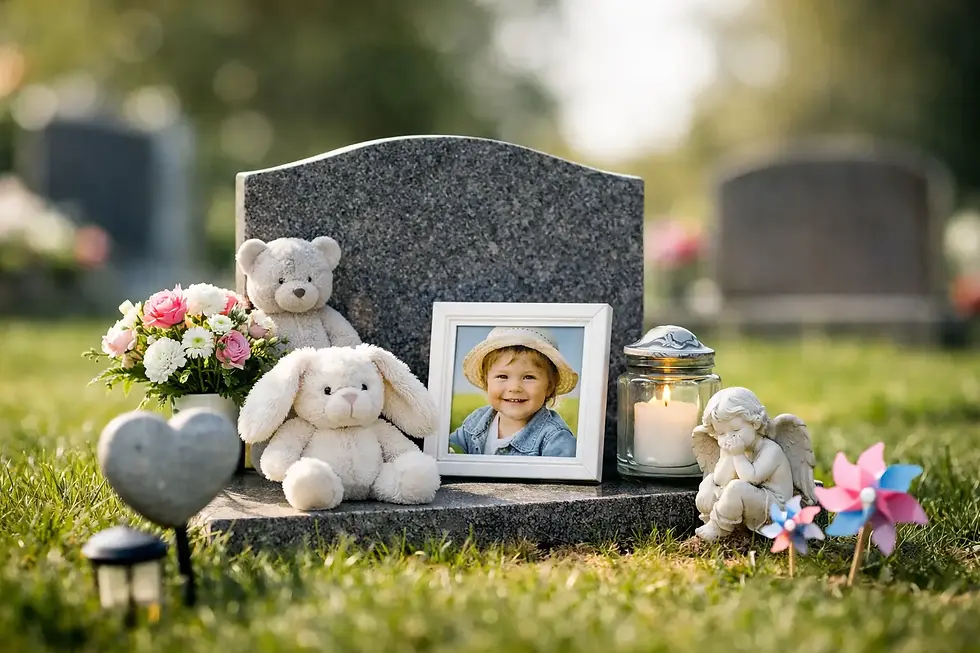
Different forms of memorial flowers create different impressions. A vase arrangement feels intimate and understated. It is often well suited for graveside visits, smaller gatherings, or private remembrance when the tone is quiet and personal.
Standing sprays and wreaths are more formal. They are commonly used at funeral homes, churches, and larger services because they create a visible tribute from a distance. A wreath can suggest continuity, eternal life, and enduring love, especially for families with a faith-centered view of remembrance.
Casket sprays are traditionally selected by immediate family. If you are not part of that group, another arrangement is usually more appropriate unless the family specifically requests it. This is one of those moments where etiquette helps prevent added stress.
Basket arrangements offer a gentle middle ground. They can feel warm and approachable, and they are often easier for families to take home after the service. If you are sending flowers from out of town, this style can be especially practical while still feeling thoughtful.
The role of faith and tradition
For many people, memorial flowers are not only decorative tributes. They are part of a spiritual act of remembrance. In Christian settings, white lilies are often associated with peace, resurrection, and hope. Cross-shaped arrangements or flowers placed during prayer can carry deep significance when faith is central to the family.
At the same time, every family practices grief differently. Some prefer a clearly religious expression, while others want something simple and respectful without formal symbolism. If you know the family well, let their beliefs guide the choice. If you do not, a classic and understated arrangement is often the safest and kindest path.
This is especially true when sending flowers on behalf of a workplace or organization. Corporate memorial gestures should feel dignified, not generic. A tasteful arrangement with a sincere message is usually more appropriate than something oversized that draws attention to the sender.
When simpler is better
There is a natural impulse to do more when loss feels heavy. But with memorial flowers, more is not always better. Large arrangements can be beautiful, yet they can also feel out of step in an intimate setting or at a modest gravesite.
A smaller arrangement can carry tremendous meaning if it is chosen with care. A few roses, a modest seasonal bouquet, or a neat graveside piece may feel more tender than a display meant to impress. In grief, gentleness often reaches people more deeply than grandeur.
This matters even more when someone cannot attend. In that situation, the arrangement becomes a stand-in for your presence. It should feel like a respectful gesture from someone who cares, not a transaction.
Practical details that matter more than people expect
Timing matters. Flowers sent too early may not look their best by the service, and flowers sent too late can leave families managing unexpected logistics. If the memorial is taking place at a church, funeral home, or cemetery, the arrangement should be coordinated for the exact time and setting.
Placement matters too. Some flowers are intended for the service itself, while others are better suited for the graveside or for delivery to the family’s home afterward. If a burial is in Central Florida, weather can also affect the best choice. Heat-sensitive blooms may not hold up as well outdoors, especially during warmer months.
This is where local, thoughtful planning makes a difference. A memorial gesture should reduce stress, not add to it. Services like Everlasting Visits are designed around that need, helping families who cannot be present still honor a loved one with flowers, prayer, and a spoken message delivered with dignity.
How to make flower arrangements for memorial service feel personal
Personalization does not have to be elaborate. Often, it comes down to one or two details that truly reflect the person being remembered. Their favorite flower, a meaningful color, or a note that speaks plainly from the heart can change the whole feeling of the tribute.
If the person loved gardening, a natural-looking arrangement may feel more authentic than something formal. If they served in the military, patriotic colors may be appropriate in the right setting. If they were known for quiet faith, a soft white arrangement with a prayer card may feel especially fitting.
The message attached to the flowers also deserves care. Short is fine. In fact, short is often better. A few honest words such as “With love and remembrance,” “Forever in our prayers,” or “Honoring a life well lived” can say enough without overwhelming the moment.
What to consider when you are sending flowers from a distance
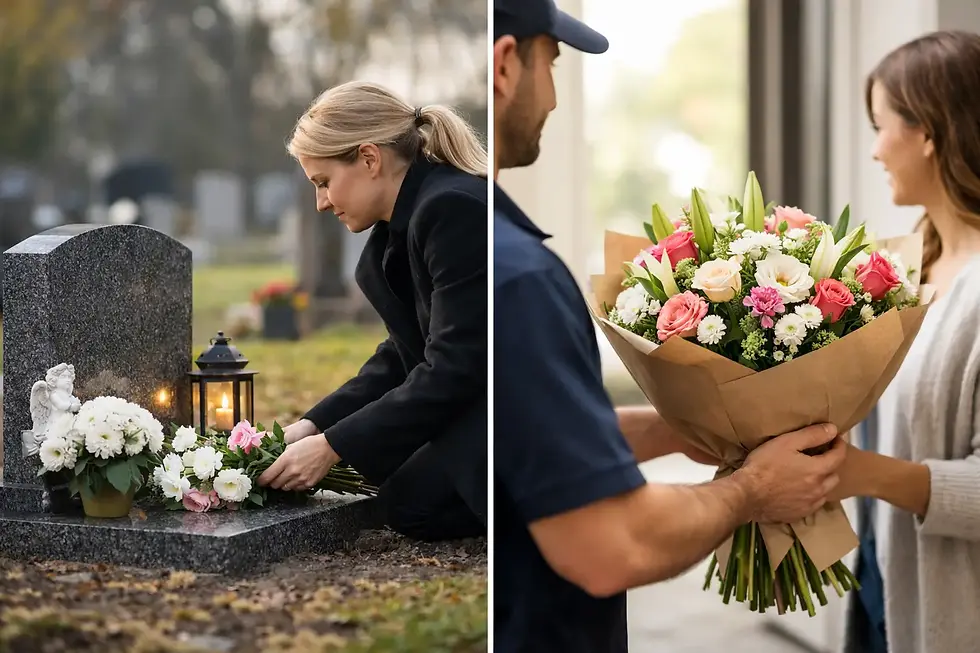
Long-distance grief carries its own kind of ache. You may know exactly where your loved one rests, exactly what you wish you could do, and still be unable to travel. In those moments, flowers can become a physical expression of presence.
When sending from afar, clarity matters. You want to know where the flowers will go, when they will arrive, and whether they will be placed with care. You also want confidence that the gesture will feel human. That reassurance matters because the real need is not delivery alone. It is knowing your loved one is being remembered with tenderness.
A good memorial arrangement, especially when paired with a visit or spoken tribute, helps bridge that distance. It does not erase absence. But it can soften it. It can turn helplessness into an act of love.
The most meaningful choice is the one that feels true
There is no single perfect answer for every family, service, or season of grief. Some memorials call for traditional white lilies. Others call for soft roses, a wreath, or a simple bouquet laid quietly at the gravesite. The best flower arrangements for memorial service are the ones that reflect the life being honored and the love being offered.
If you are choosing in a time of sorrow, be gentle with yourself. You do not need to create the grandest tribute. You only need to choose something honest, respectful, and full of care. Even a small arrangement, placed with intention, can say what the heart is struggling to put into words.
When presence is not possible, remembrance still is. A thoughtful arrangement can stand in that sacred space and say, with grace, you are loved, you are missed, and you are not forgotten.

Comments