

Child Remembrance Tribute Ideas That Bring Comfort

Some dates carry a weight that does not lessen simply because the years pass. A birthday, an anniversary, a holiday, or an ordinary afternoon can bring a beloved child sharply back into the heart. Child remembrance tribute ideas offer families a gentle way to say: you are loved, you are remembered, and your place in our family remains.
There is no single right way to honor a child who has died. Some families find comfort in a quiet graveside moment. Others prefer a prayer at home, an act of kindness in the child’s name, or a small tradition shared with siblings and grandparents. The most meaningful tribute is not the most elaborate one. It is the one that feels true to the child and caring to those who love them.
Child remembrance tribute ideas for meaningful dates
Certain days may call for a planned act of remembrance. A child’s birthday, the anniversary of their passing, and holidays can feel especially tender. Preparing a simple ritual ahead of time can soften the pressure to know what to do when emotions are already close to the surface.
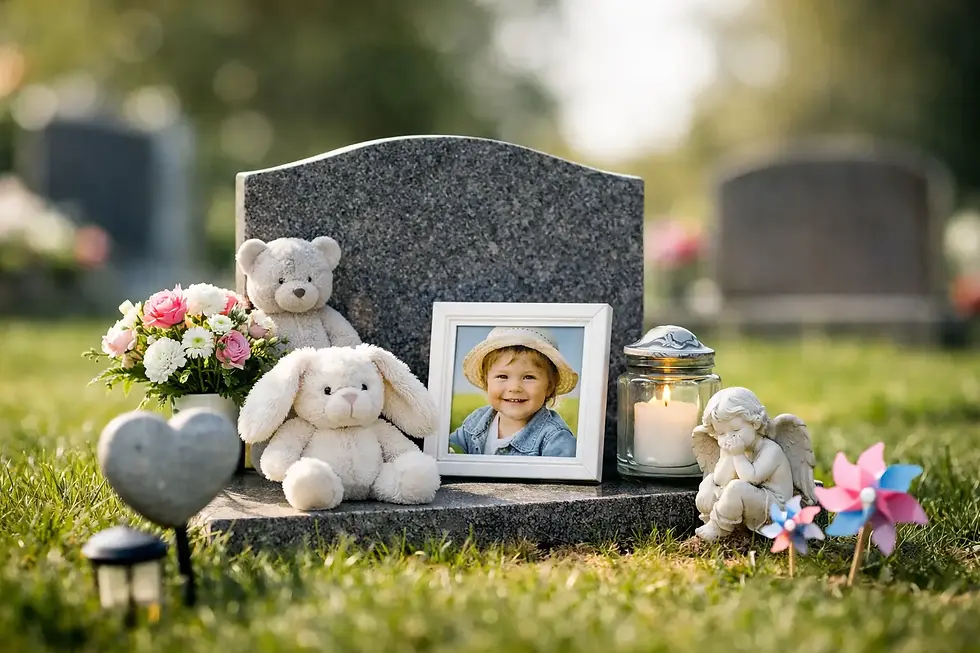
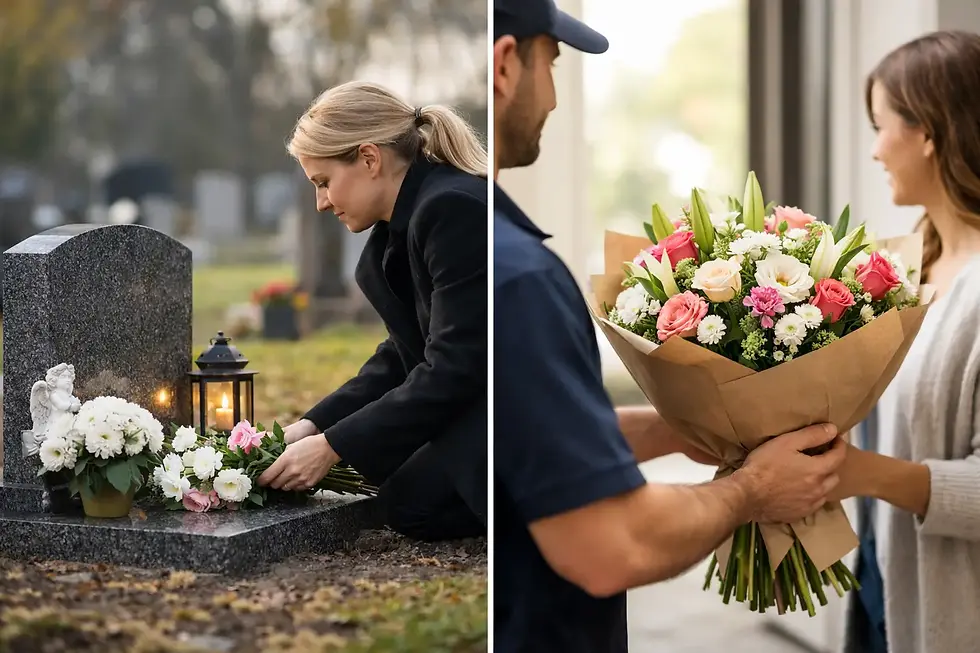
A graveside visit can be a deeply personal choice. Families may bring fresh flowers in a favorite color, place a small seasonal arrangement, or read a message aloud. A few spoken words can hold great meaning: a memory from childhood, a note from a parent, or a promise that the child will continue to be part of family stories.
When travel, health, work, or distance makes a visit impossible, the desire to show up does not disappear. A trusted in-person memorial visit can offer reassurance that a child’s resting place has been attended with gentleness. Everlasting Visits provides a caring presence in Orlando and Central Florida, with flowers, prayer, and a personalized message read aloud when a family cannot be there themselves.
For some, a birthday tribute feels right when it includes something bright and life-affirming. You might buy a cupcake and light a candle, play a song that reminds you of your child, or set aside a moment to share one happy memory. There is no need to turn the day into a celebration if that does not feel comfortable. The purpose is simply to make room for love.
Create a ritual that can be repeated
A repeated ritual can become a steady place to return to. It may be very small: lighting a candle at sunset on the first day of each month, saying a prayer before dinner on special dates, or placing a flower by a framed photograph. Repetition does not make grief predictable, but it can give grief a familiar and compassionate container.
A remembrance garden is one option for families who draw comfort from nature. A flowering plant, a tree, or a small section of the yard can become a place to pause. Choose something manageable rather than something that creates another obligation. A potted plant on a porch may be just as meaningful as a large garden, especially for someone with limited space or energy.
Some families create a memory box. It might hold a photograph, hospital bracelet, handwritten cards, a favorite toy, a piece of artwork, or letters written over the years. The box does not need to be opened often. Its value is in knowing those tangible pieces of a precious life have a protected place.
If your family has faith traditions, prayer can bring particular comfort. A graveside prayer, a passage of Scripture, or a quiet moment of reflection can express what is hard to put into everyday words. It is also all right if prayer is brief. A simple “You are loved and missed” can be a complete offering.
Honor a child through kindness and connection
A tribute can reach beyond a memorial space without moving away from the child’s memory. Giving love outwardly is meaningful for some families, especially when it reflects the child’s personality, interests, or the hopes held for their life.
Consider choosing one act of kindness on a significant date. You may donate children’s books, provide school supplies, bring a meal to a new parent, or give to an organization that mattered to your family. These gestures do not need to be public. Quiet kindness can be a tender expression of ongoing love.
Sharing stories also keeps a child present in the family’s life. Speak their name. Tell younger siblings or relatives about their smile, their funny habits, the music they liked, or the way they changed the people around them. Grief can make people unsure of what to say, but loving memories are rarely an intrusion when offered with care.
For families who want others to participate, a small remembrance gathering may help. Keep it simple and low-pressure: invite a few people to share a memory, light candles, play a meaningful song, or write notes to place in a memory box. It depends on your family. A larger gathering can feel supportive for one person and overwhelming for another, so permission to keep it private matters.
Include siblings with care
Siblings grieve in their own ways, and their needs may change as they grow. A young child may want to draw a picture or release a flower into water. A teenager may prefer music, a private journal entry, or a quiet visit without conversation. There is no need to require the same response from every family member.
Offer an invitation rather than an expectation. You might say, “We are going to bring flowers today. Would you like to choose one, come with us, or do something here at home?” Giving choices allows siblings to remain connected without making them responsible for carrying an adult’s grief.
It can also help to make room for joy. Children may laugh, play, or move on quickly after a memorial moment. That is not a sign that they loved less. Grief and ordinary childhood can sit beside one another.
A few thoughtful details for a graveside tribute
If you are planning a cemetery visit, check the cemetery’s rules before bringing decorations, keepsakes, or balloons. Many cemeteries have guidelines that protect the grounds and determine what may remain at a gravesite. Flowers, a respectful card, and a brief moment of prayer are often meaningful without requiring much preparation.
A personalized message is especially fitting when family members cannot attend. It may include a child’s nickname, a favorite memory, words from a sibling, or a message from grandparents who live far away. Keep it honest and uncomplicated. The words do not have to be perfect to be heartfelt.
You may also choose to take a photograph of the flowers or the resting place after a visit. For some families, this provides comfort and confirmation. For others, photographs feel too difficult. Either response is understandable. Decide what would bring peace rather than what seems expected.
Let the tribute change as your family changes
The tribute that felt right in the first year may not feel right five or ten years later. A family may begin with a private prayer and later wish to create a yearly tradition. Another may step back from anniversaries because the anticipation is too painful. Changing your approach is not leaving a child behind. It is responding truthfully to the season you are in.
When grief feels especially heavy, simplify. Bring one flower. Say one prayer. Sit quietly for five minutes. Love does not need a grand gesture to be real.
A child’s life leaves a lasting imprint, however brief their time may have been. Each thoughtful act of remembrance creates a place for that love to be spoken, carried, and honored. Let your tribute be gentle enough to hold both memory and the heart that remembers.

Comments