
A Guide to Memorial Flower Etiquette and Care

Flowers carry a message when words are difficult to find. This guide to memorial flower etiquette can help you choose a tribute that feels personal, respects the setting, and offers comfort to a grieving family. Whether you are attending a service, sending flowers to a cemetery in Central Florida, or arranging a visit from a distance, the most meaningful choice is one made with gentle care.
Start With the Place and Purpose
Memorial flowers are not all intended for the same moment. A funeral service, a celebration of life, a graveside committal, and a later cemetery visit each have their own needs. Knowing the purpose of the arrangement helps you select something appropriate without putting pressure on yourself to find a perfect answer.
For a funeral or viewing, larger standing sprays, wreaths, and casket flowers are often arranged by close family members. Friends, coworkers, neighbors, and extended relatives may send a basket, a vase arrangement, or a plant to the funeral home or place of worship. If you are unsure whether flowers are welcome, the obituary or family announcement may offer guidance. Some families request donations in memory of their loved one instead. Honoring that request is also a meaningful expression of care.
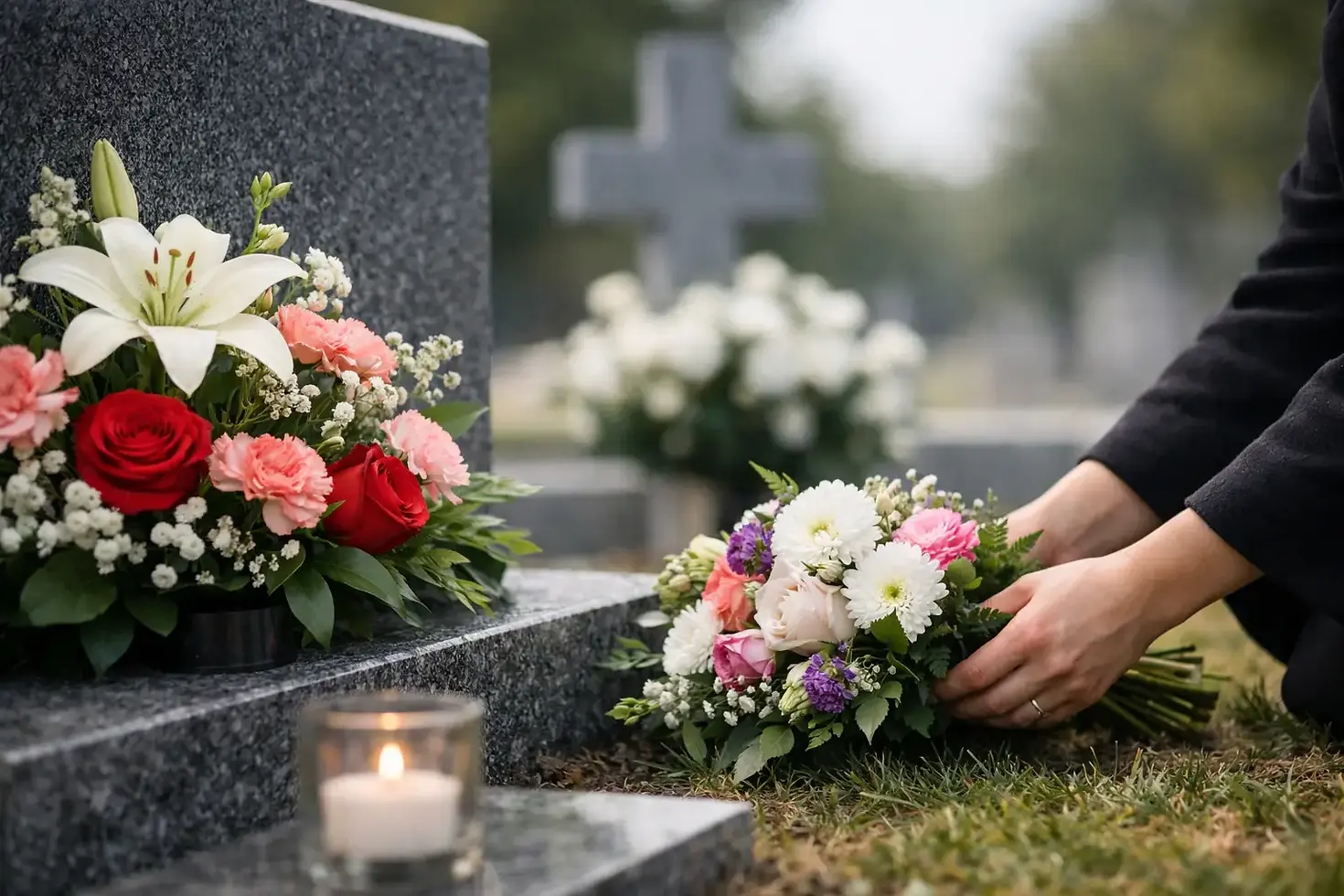
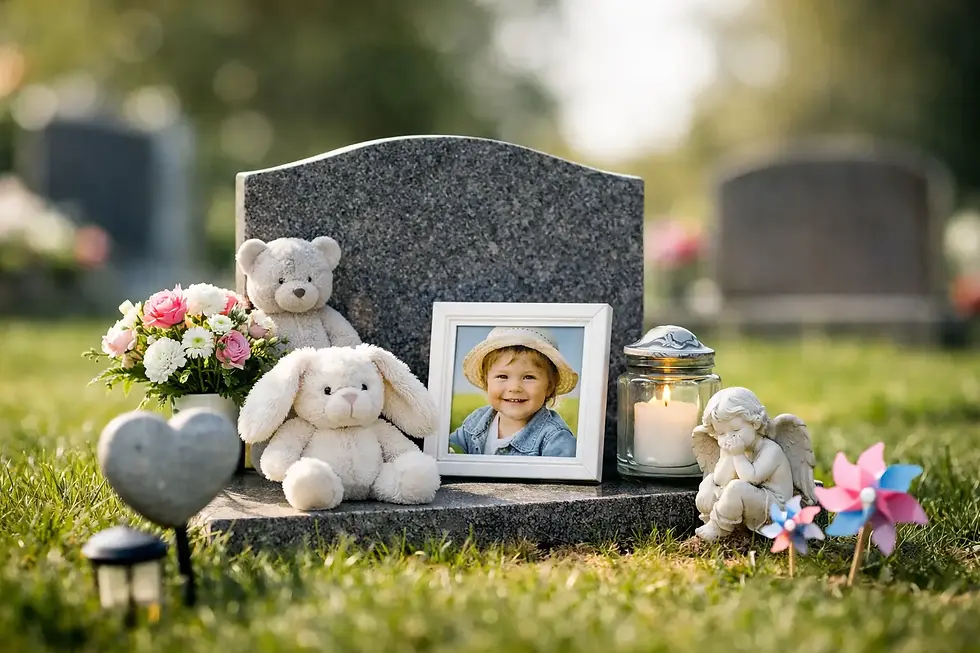
For a gravesite visit, a smaller and secure arrangement is usually the most considerate choice. Cemetery groundskeepers need clear access to the area, and floral tributes must be able to withstand weather, watering, and maintenance. A thoughtful vase arrangement or a modest bouquet often says more than something oversized that may need to be removed quickly.
Ask About Cemetery Rules Before Sending Flowers
Every cemetery has its own policies. Some allow flowers only in approved vases. Others remove arrangements after a set number of days, limit decorations around major holidays, or prohibit glass containers, loose items, and artificial flowers. Mausoleums and columbariums may have even more specific rules.
Before arranging a tribute, call the cemetery office if possible. Ask what containers are permitted, when flowers may be placed, and how long they are likely to remain. This small step protects your gesture and prevents a family from feeling disappointed if an arrangement is removed as part of routine grounds care.
Weather matters in Central Florida as well. Summer heat, sudden rain, and humidity can shorten the life of delicate blooms. An experienced local florist or memorial visitation provider can recommend flowers and containers suited to the season. If fresh flowers are unlikely to last, a durable silk arrangement may be a more practical choice, provided the cemetery allows it.
Choosing Flowers With Meaning
There is no single flower required for mourning. Traditional meanings can offer guidance, but the loved one’s personality, faith, favorite color, or treasured memories should lead the decision. A simple arrangement of flowers they loved can feel far more intimate than a formal display chosen only because it is customary.
Lilies are often associated with peace and the restoration of the soul. Roses can express enduring love, respect, friendship, or remembrance, depending on their color and the relationship you shared. Carnations are a long-standing choice for sympathy because they are graceful and lasting. Chrysanthemums are commonly used in memorial arrangements, though their symbolism differs across cultures. Hydrangeas, orchids, sunflowers, and wildflower-style bouquets may be especially fitting for someone whose life was bright, artistic, outdoorsy, or full of warmth.
Color can speak softly, too. White often conveys reverence and peace. Soft pink may express tenderness. Red can honor deep love and devotion. Yellow may bring to mind friendship, gratitude, or a cheerful spirit. Purple is often linked with dignity. These are gentle associations, not rules. A family may find comfort in a lively arrangement that reflects a loved one’s love of color, while another may prefer a quieter palette.
Consider Faith and Cultural Traditions
Faith and heritage can shape flower etiquette, sometimes in ways that are not immediately visible. Christian families may welcome flowers alongside prayer, Scripture, or a spoken remembrance. In some Jewish traditions, flowers are less customary, and a donation or a visit may be preferred. In certain Muslim, Hindu, Buddhist, and cultural traditions, flower choices, colors, timing, and ritual practices can carry particular meaning.
When you know the family’s beliefs, let that understanding guide you. When you do not, it is kind to ask a close family member, faith leader, or funeral director. A respectful question is never an inconvenience when it helps ensure your gesture supports the family’s wishes.
The Card Matters as Much as the Arrangement
A flower card does not need to carry the weight of every feeling you have. In grief, short and sincere is often best. Name the person if it feels right, offer a memory, or simply let the family know they are being held in your thoughts and prayers.
You might write, “Remembering Maria’s kind heart and the love she gave so freely,” or, “With love, prayer, and gratitude for a life that touched so many.” If you are writing on behalf of a business, keep the note personal but measured: “Our team remembers James with respect and appreciation. We are holding his family in our thoughts.”
Avoid messages that ask the family to comfort you, speculate about loss, or rely on phrases that may not fit their beliefs. If you are unsure what to say, a truthful line such as “We are thinking of you and remembering him with love” is enough.
Fresh, Artificial, or Living Flowers?
Fresh flowers feel immediate and tender. Their brief beauty can reflect the moment of remembrance, especially for a service, anniversary, birthday, or holiday visit. They also require attention to timing and temperature. Sending fresh flowers several days before a planned cemetery visit may mean they fade before anyone sees them.
Artificial flowers can be appropriate for a gravesite when they are well made, permitted by the cemetery, and secured properly. They offer longer-lasting color for families who live far away or cannot visit often. The trade-off is that they should be checked and replaced when weathered, faded, or damaged. A tribute should always look cared for, never forgotten.
A living plant can be a lovely option for a family home, but it is not always suitable for a gravesite. Many cemeteries do not allow planting near markers, and a plant sent to a grieving household can unintentionally create another responsibility. Choose this option when you know it will be welcomed.
Timing a Memorial Tribute
There is no deadline for sending sympathy flowers. Flowers delivered before a service show public support. A thoughtful arrangement sent a week or month later can be equally meaningful, when other support has grown quiet and grief remains present.
For graveside flowers, consider dates that hold meaning: a birthday, wedding anniversary, holiday, military remembrance day, or the anniversary of a passing. Yet you do not need a calendar reason to remember someone. An ordinary Tuesday can be a holy moment when it is chosen with love.
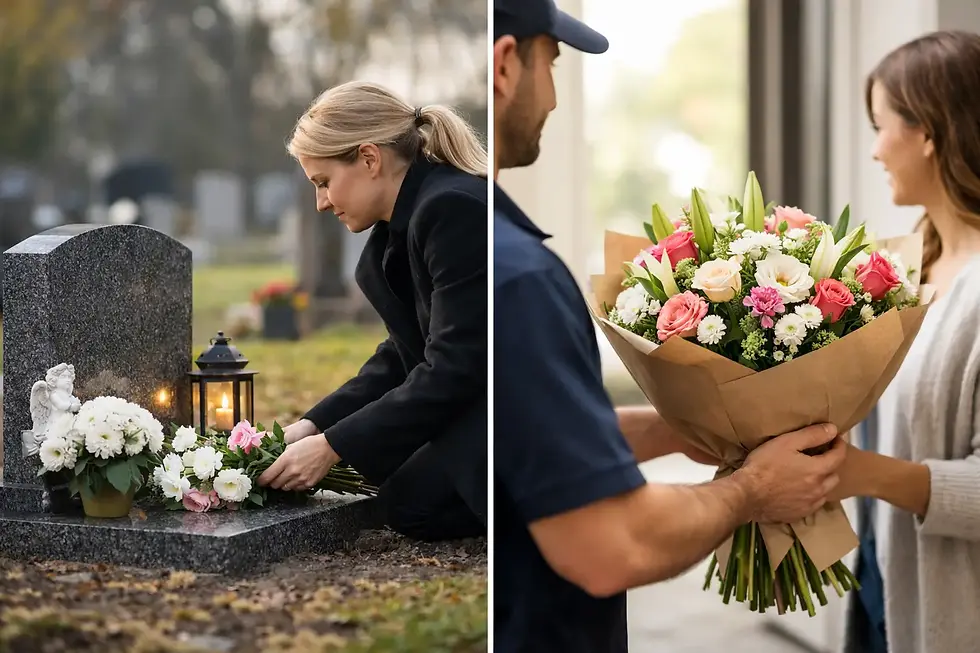
If you cannot travel, it is still possible to create a personal act of presence. Everlasting Visits provides in-person gravesite and remembrance visits in Orlando and Central Florida, with flowers, a personalized message read aloud, and optional prayer. For families separated by distance, work, health concerns, or urgent circumstances, this can offer reassurance that a loved one is being honored with dignity.
A Gentle Guide to Memorial Flower Etiquette
The best memorial flowers are not necessarily the largest, most formal, or most expensive. They are the ones that reflect care for the person being remembered and consideration for the people who loved them. Check the cemetery’s rules, respect faith and family preferences, select flowers with an honest connection, and keep your message simple.
When distance prevents you from standing at the graveside yourself, your remembrance can still arrive with tenderness. A carefully chosen flower, a spoken name, and a quiet prayer can remind a family - and your own heart - that love continues to show up.

Comments