

10 Best Ways to Honor Loved Ones With Care

A birthday arrives, an anniversary appears on the calendar, or a familiar song comes on in the car. These moments can make absence feel close again. The best ways to honor loved ones are not always grand gestures. Often, they are small, intentional acts that say, “You are still part of my life, and you are still loved.”
There is no single right way to remember someone. Faith, family traditions, the nature of your relationship, and what feels emotionally possible all matter. Some people find comfort in a quiet prayer. Others need to gather, create, serve, or simply stand at a gravesite for a few peaceful minutes. What matters most is choosing a remembrance that feels sincere rather than pressured.
Best Ways to Honor Loved Ones Through Meaningful Rituals
Visit their resting place
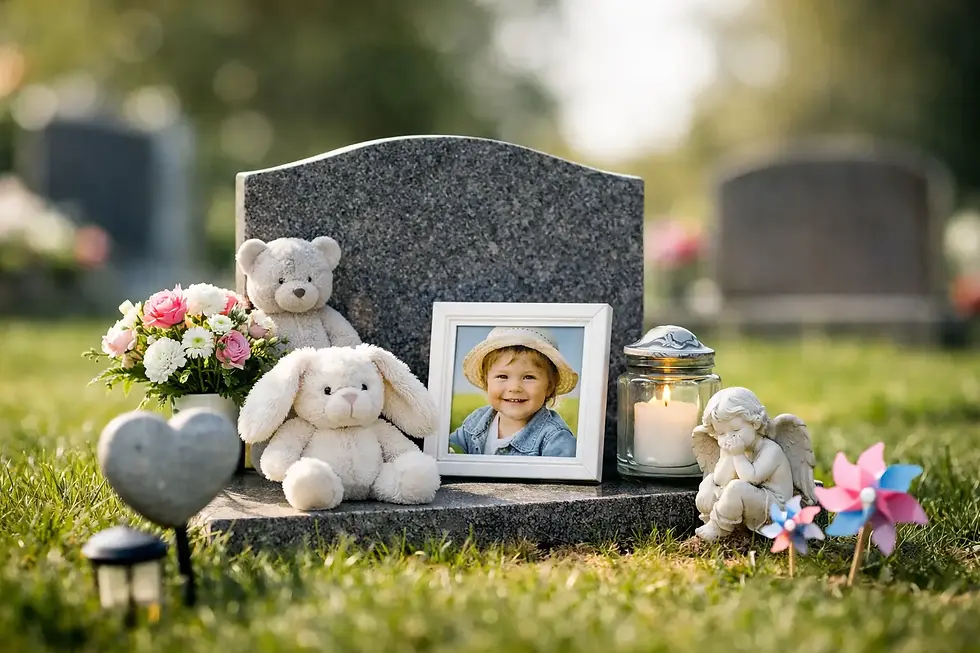
For many families, a gravesite visit creates a needed moment of connection. Bringing fresh flowers, tidying the space, speaking a few words, or sitting quietly can turn an ordinary day into a personal act of love. It does not have to be a holiday or anniversary to matter.
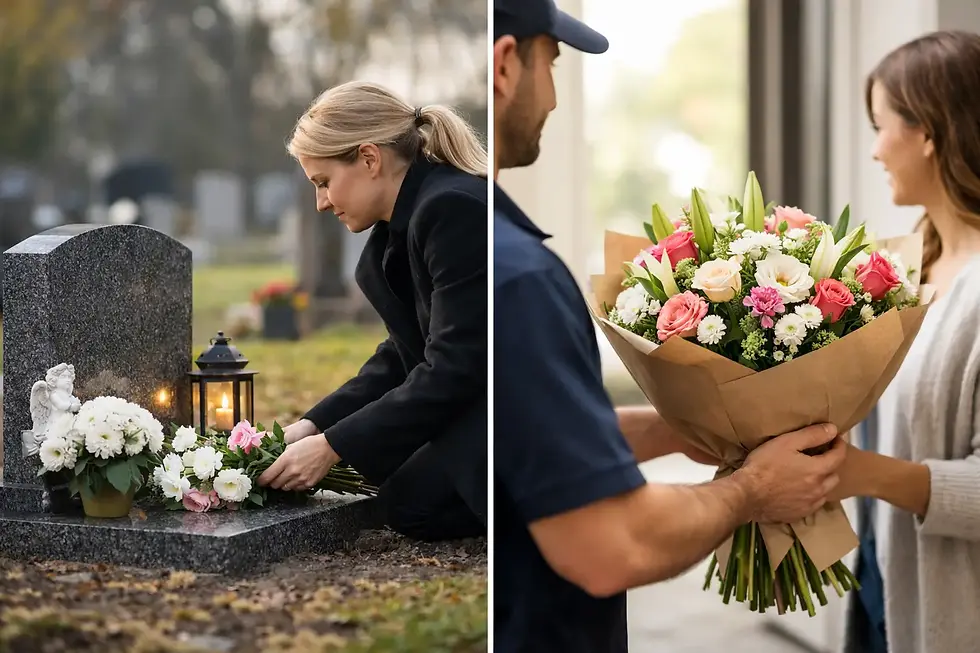
Distance, health concerns, demanding work schedules, and travel costs can make these visits difficult. When you cannot be there yourself, arranging a respectful visit in your place can provide comfort. A thoughtful visit may include flowers, a prayer, and a personal message read aloud, allowing your care to be present even when you cannot travel to Central Florida yourself.
Mark the dates that matter
Birthdays, wedding anniversaries, military service dates, holidays, and the anniversary of a passing can carry a great deal of emotion. Planning ahead for these dates gives grief a gentle place to go. You might light a candle at home, place flowers at a memorial, prepare their favorite meal, or set aside a few minutes to share stories with family.
There is also no rule that says you must observe every date. Some anniversaries may call for a gathering, while others may feel better spent privately. Give yourself permission to choose what brings peace, not what others expect.
Speak their name and share their stories
People often worry that mentioning someone who has died will make others sad. Usually, the opposite is true. Hearing a cherished person’s name and remembering the details of their life can be deeply reassuring.
Tell the story about the way they made everyone laugh at dinner. Share the advice they gave you, the recipe they perfected, or the lesson they taught without realizing it. These stories keep their influence active within the family and help younger relatives know someone they may not have had the chance to meet.
A memory journal can be especially meaningful. Invite relatives, friends, and colleagues to write down a favorite story, a photograph caption, or a few words they wish they could still say. Over time, it becomes a living record of how much one life touched others.
Create a personal tradition
A tradition gives remembrance a rhythm. It can be as simple as wearing a loved one’s favorite color on their birthday or taking an annual walk in a place they enjoyed. A family might play their favorite music during a holiday meal, make a donation each year, or gather for a prayer and a shared memory.
The best traditions are sustainable. A large annual event may be beautiful, but it can also become difficult to organize or emotionally exhausting. A smaller ritual that your family can continue with care may carry more meaning over the years.
Offer a prayer or moment of reflection
For people of faith, prayer can hold both sorrow and gratitude. It offers a way to speak love, ask for peace, and place what feels too heavy into God’s care. This can happen at home, at a place of worship, or beside a memorial.
A prayer does not need to be elaborate. You may read a familiar passage, offer thanks for their life, or simply sit in silence. If your loved one held particular spiritual beliefs, honoring those beliefs can make the moment feel especially personal and reverent.
Give in a way that reflects their values
A meaningful gift of time or resources can honor a person’s character long after they are gone. Someone who cared for animals might be remembered through support for a local shelter. A teacher may be honored by helping a student, donating books, or encouraging a child’s curiosity. A loved one known for feeding others may inspire a family meal for neighbors in need.
This kind of tribute works best when it is connected to who they truly were, not just what seems appropriate from the outside. A quiet act done in their spirit can feel more honest than a public gesture that does not reflect their life.
Preserve photographs, letters, and everyday treasures
Not every keepsake needs to be displayed. A handwritten card, a recipe in familiar handwriting, a voicemail, or an old photograph can hold a powerful sense of closeness. Preserving these items carefully gives you a way to return to them when you are ready.
Consider organizing copies of photos and documents for family members, especially if you are the person holding most of the history. Labeling names, dates, and places now can save future generations from wondering. You may also create a small memory box with a few objects that tell their story without overwhelming your space.
Honoring Loved Ones When You Cannot Attend in Person
Being unable to visit does not mean you have forgotten, and it does not make your love less real. Many people carry guilt when illness, work, caregiving responsibilities, or living far away prevents them from attending a service or visiting a grave. Grief already asks enough of the heart. It should not require you to prove your devotion through travel you cannot manage.
A trusted proxy memorial visit can be a compassionate option when physical presence is not possible. Everlasting Visits provides gravesite and remembrance visits in Orlando and Central Florida, with care given to flowers, prayer, and personalized words from those who are away. The purpose is not to replace you. It is to carry your love into a place that matters.
Before arranging a visit, think about what would feel most personal. Perhaps it is a short message in your own words, a favorite flower, a prayer, or a request for a quiet moment of reflection. Specific details can make the tribute feel less like a task and more like a true expression of relationship.
Remember colleagues with dignity
Families are not the only people who grieve. A workplace may feel the loss of a colleague whose kindness, skill, humor, or steady presence shaped the people around them. Employers and teams can honor a deceased employee with a card, a shared remembrance, a moment of silence, or a memorial gesture near the place where they are laid to rest.
The right approach depends on the family’s wishes and the culture of the organization. Keep the focus on respect, not publicity. A simple, sincere acknowledgment often means more than a formal statement filled with distant language.
Let Remembrance Be Gentle
There may be days when honoring someone looks like bringing flowers, gathering family, or making a meaningful gift. On other days, it may simply mean letting yourself say their name, feel the loss, and remember the love. Both are enough.
Choose a ritual that meets you where you are. A caring act, offered with sincerity, can keep a cherished memory close and remind you that love still has a place to go.

Comments